

Introduction
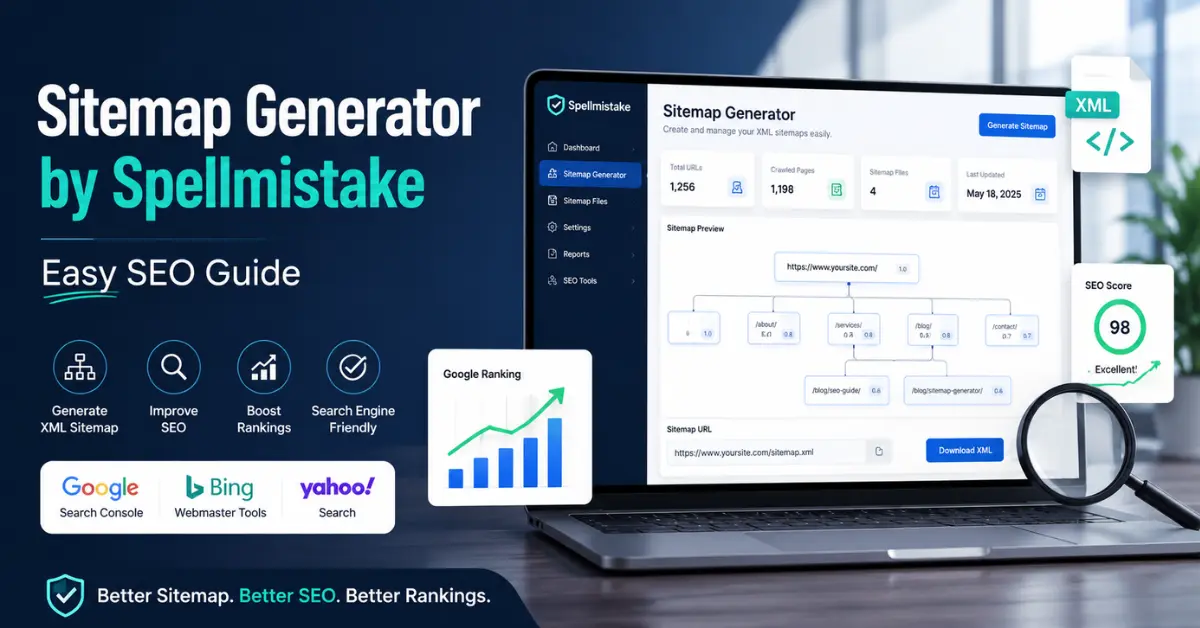
A sitemap generator by spellmistake helps website owners create a clean sitemap without hard work. A sitemap tells search engines which pages exist on your site. It works like a map for Google, Bing, and other search engines.
Many beginners publish blog posts, pages, tools, or product pages. But they forget one thing: search engines need help to find those pages. This is where a sitemap becomes useful.
A good sitemap can help search engines crawl your website faster. It can also reduce indexing issues. If you run a blog, business site, tool website, or news site, you need a sitemap.
In this guide, you will learn what a sitemap generator by spellmistake means, how it works, why it matters, and how to use it the right way.
What Is Sitemap Generator by Spellmistake?

A sitemap generator by spellmistake is a tool or method that helps you create a sitemap for your website. A sitemap is usually an XML file. XML means a file format that search engines can read.
Think of your website as a city. Your pages are roads, shops, homes, and signs. A sitemap works like a city map. It shows search engines where each page lives.
For example, your website may have:
- Home page
- Blog posts
- Category pages
- Contact page
- Tool pages
- Product pages
Without a sitemap, search engines may still find your pages. But they may take more time. Some pages may stay hidden, mainly if your internal links look weak.
A sitemap generator by spellmistake can make this task simple. You do not need coding skills. You only add your website URL, generate the sitemap, and submit it to search engines.
This helps beginners manage SEO with less stress.
You May Also Like It:
ACT English Grammar Rules – Simple Study Guide
English Grammar Sentence Structure Rules Guide
Practical Writing Tips for Better Content Writing
Why Your Website Needs a Sitemap
A sitemap helps search engines find and read your pages. This does not mean Google will rank every page. But it gives search engines a clear path.
A sitemap generator by spellmistake can help you avoid missed pages. This matters when your website grows. A small site may have 10 pages. But after one year, it may have 200 blog posts.
Search engines need a clear list of pages. A sitemap gives them that list.
Here’s a simple example. You publish a new article about healthy snacks. You link it from your homepage after some days. Google may take time to find it. But if your sitemap updates fast, Google can see the new URL sooner.
A sitemap helps with:
- New website discovery
- Faster crawl signals
- Better page organization
- Cleaner SEO setup
- Easy search console submission
A sitemap generator by spellmistake works best when your site has useful content, clean links, and no broken pages.
How Sitemap Generator by Spellmistake Works
A sitemap generator by spellmistake scans your website links and creates a sitemap file. This file usually has URLs, update dates, and page details.
The tool checks your site structure. Then it lists your pages in a format search engines can read.
A basic sitemap URL may look like this:
If you use WordPress, your sitemap may look like:
Some SEO plugins also create sitemap links like:
The process is simple:
- Add your website URL.
- Let the tool scan your site.
- Download or copy the sitemap file.
- Upload it to your website root folder.
- Submit it in Google Search Console.
A sitemap generator by spellmistake saves time because it removes manual work. Instead of writing every page link yourself, the tool prepares the file.
This helps site owners focus on content, links, and user value.
Types of Sitemaps You Should Know
A sitemap generator by spellmistake may create different sitemap types. Each type has a separate use.
XML Sitemap
This sitemap helps search engines. Most website owners need this first. It includes page URLs in a clean format.
HTML Sitemap
This sitemap helps users. It shows website pages on a normal page. Visitors can click links and find content.
Image Sitemap
This sitemap helps search engines find images. It works well for fashion, food, home decor, and product sites.
Video Sitemap
This sitemap helps with video content. It can include video title, thumbnail, and video page URL.
News Sitemap
News websites use this sitemap. It helps search engines find fresh news posts faster.
Most beginners should start with an XML sitemap. If your site has many photos, add an image sitemap too.
A sitemap generator by spellmistake may support one or many sitemap types. Choose the type that fits your website.
Step-by-Step Guide to Create a Sitemap
You can create a sitemap in a few simple steps. A sitemap generator by spellmistake makes the process beginner-friendly.
Step 1: Check Your Website Pages
Before you create a sitemap, check your site. Remove broken pages, empty posts, and test URLs.
Step 2: Choose a Sitemap Tool
Use a sitemap tool, SEO plugin, or CMS sitemap option. WordPress users can use built-in sitemaps or SEO plugins.
Step 3: Generate the Sitemap
Enter your website URL. Start the scan. The tool will collect your page links.
Step 4: Review the URLs
Do not submit a sitemap blindly. Check if it includes pages you want search engines to find.
Avoid adding:
- Login pages
- Thank you pages
- Duplicate pages
- Thin content pages
- Test pages
Step 5: Upload and Submit
Upload the sitemap to your site. Then submit it in Google Search Console.
A sitemap generator by spellmistake gives you a cleaner SEO start when you follow these steps.
Common Sitemap Mistakes Beginners Make
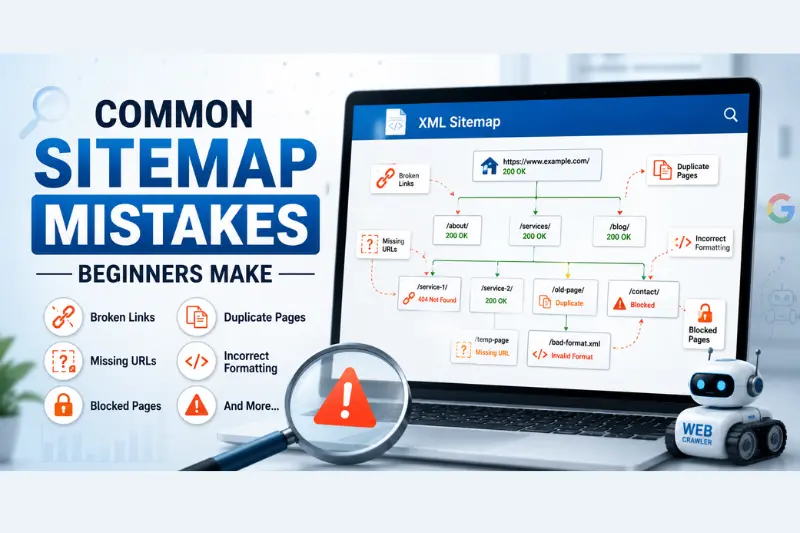
Many beginners create a sitemap and think the job ends there. But a sitemap needs clean setup.
A sitemap generator by spellmistake can create the file, but you still need to review it.
Common mistakes include:
- Adding broken URLs
- Adding noindex pages
- Submitting old sitemap links
- Keeping deleted pages in the sitemap
- Blocking sitemap URLs in robots.txt
- Adding duplicate URLs
- Forgetting to update the sitemap
Here’s a real-life example. A blogger deletes 30 old posts but forgets to update the sitemap. Search engines keep seeing those deleted URLs. This creates crawl errors.
Another example: A store owner adds product filter URLs to the sitemap. Search engines see many duplicate pages. This can waste crawl time.
You should check your sitemap every month. This small habit can protect your SEO health.
A sitemap generator by spellmistake works better when your site stays clean and updated.
Best Practices for a Clean Sitemap
A clean sitemap helps search engines understand your website faster. A sitemap generator by spellmistake gives better results when you follow good SEO rules.
Add only pages that matter. If a page has low value, do not include it. Search engines prefer clear and useful pages.
Use these best practices:
- Add only indexable pages
- Keep the sitemap updated
- Use correct canonical URLs
- Avoid duplicate links
- Remove broken pages
- Keep URL structure simple
- Submit sitemap after big site changes
- Check Google Search Console often
Your sitemap should match your website goal. For example, a blog should include posts and main pages. An online store should include products, categories, and main pages.
Do not use a sitemap to hide poor site structure. You still need strong internal links. Link your key pages from menus, categories, and related posts.
A sitemap generator by spellmistake supports SEO, but it cannot replace good content and smart linking.
You May Also Like It:
Best Blog Writing Tips for Better Content
Blog Content Writing Tips for SEO and Engagement
Page Size Checker by SpellMistake SEO Guide
Sitemap Generator by Spellmistake for WordPress Sites
WordPress makes sitemap creation easier. Many WordPress sites already create a basic sitemap. Still, a sitemap generator by spellmistake can help if you want more control.
You can use:
- WordPress default sitemap
- SEO plugin sitemap
- Online sitemap tool
- Custom sitemap file
For most beginners, an SEO plugin works well. It can update the sitemap when you publish or delete posts.
For example, you publish a new blog post about wedding dresses. Your sitemap updates by itself. Google Search Console can then read the new URL.
Before you submit your sitemap, open it in your browser. Check if it loads correctly. If you see a 404 error, fix the sitemap link first.
Also check your robots.txt file. Make sure it does not block your sitemap.
A sitemap generator by spellmistake can help WordPress users keep their pages organized, mainly when the site grows fast.
How to Submit Your Sitemap to Google
After you create a sitemap, you need to submit it to Google Search Console. This step helps Google find your sitemap faster.
A sitemap generator by spellmistake usually gives you a sitemap URL. Copy that URL first.
Then follow these steps:
- Open Google Search Console.
- Choose your website property.
- Click “Sitemaps” from the menu.
- Add your sitemap URL.
- Click “Submit.”
- Check the status after some time.
If Google shows success, your sitemap works. If it shows an error, read the message. Common errors include wrong URL, blocked access, or invalid format.
Do not submit many random sitemap links. Submit the correct main sitemap only.
For example, if your sitemap index has many child sitemaps, submit the sitemap index. Google can read the rest from there.
A sitemap generator by spellmistake helps create the sitemap, but Search Console helps track results.
FAQs on Sitemap Generator by Spellmistake
1. What is sitemap generator by spellmistake?
A sitemap generator by spellmistake helps create a sitemap file for your website. Search engines use this file to find your pages.
2. Does a sitemap improve ranking?
A sitemap does not directly increase ranking. But it helps search engines discover your pages faster, which can support SEO.
3. Do small websites need a sitemap?
Yes. Small websites can also use a sitemap. It keeps your site structure clear for search engines.
4. How often should I update my sitemap?
Update your sitemap when you publish, delete, or change key pages. WordPress plugins can do this for you.
5. Where do I submit my sitemap?
Submit your sitemap in Google Search Console. You can also submit it in Bing Webmaster Tools.
6. Can I create a sitemap without coding?
Yes, you can create a sitemap without coding. Many sitemap tools and WordPress plugins can generate a sitemap automatically with just a few clicks.
7. What is the best sitemap format for SEO?
XML is the best sitemap format for SEO because search engines can read it easily. Most websites use XML sitemaps for better indexing.
8. Can a sitemap help new websites?
Yes, a sitemap can help new websites get discovered faster by search engines. It gives search engines a direct list of your important pages.
9. Should I include all pages in my sitemap?
No, you should include only important and indexable pages. Avoid adding duplicate pages, admin pages, or low-quality content.
10. What happens if my sitemap has errors?
If your sitemap has errors, search engines may ignore some pages. You should check Google Search Console regularly and fix broken or invalid URLs.
Conclusion
A sitemap generator by spellmistake can make SEO easier for beginners and website owners. It helps you create a clear sitemap, submit it to search engines, and keep your pages easier to find.
But remember one simple truth: a sitemap does not guarantee rankings. It helps search engines discover pages. Your content quality, site speed, internal links, and user experience still matter.
Use a sitemap for clean website structure. Keep it updated. Remove broken, duplicate, and low-value pages. Check Google Search Console often so you can fix errors early.
If you run a blog, business site, tool site, or online store, a sitemap should stay part of your SEO setup. A sitemap generator by spellmistake gives you a simple way to manage that task without coding.
You May Also Like It:
Backlink Maker by Alaikas: Complete SEO Guide
Suspicious Domain Checker by Alaikas Guide
