

Introduction
The internet helps people shop, work, learn, and connect every day. But it also contains fake websites, phishing pages, malware links, and online scams that can steal personal information in seconds.
Many unsafe websites look completely normal. Some copy trusted brands. Others use secure HTTPS certificates to appear safe. This makes it harder for users to know which websites they can trust.
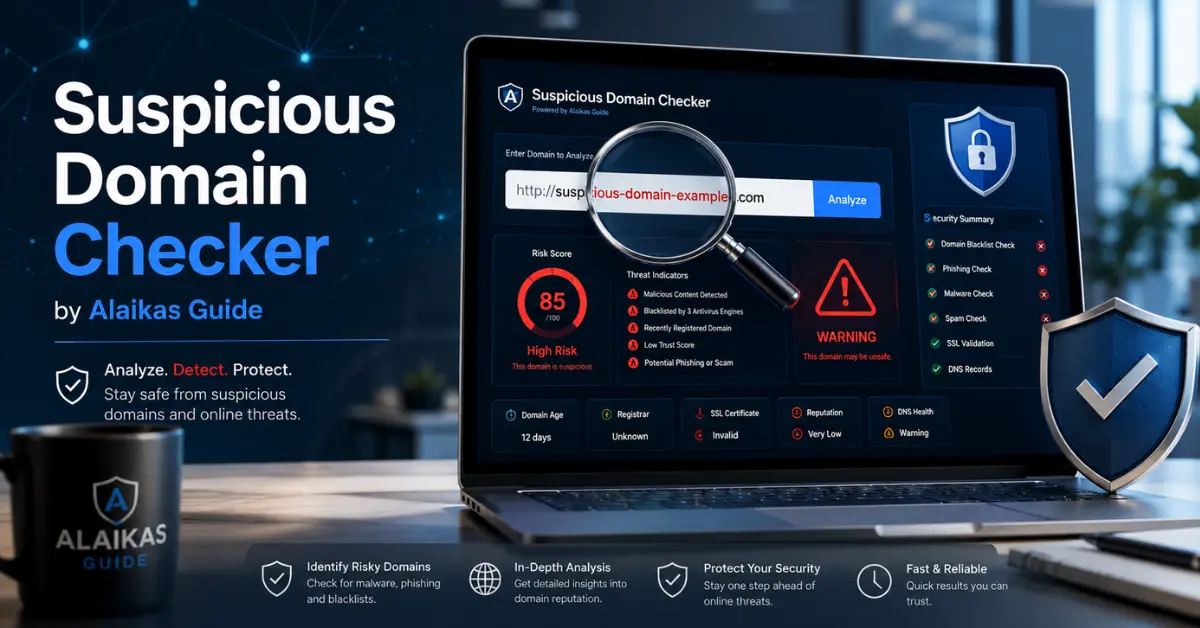
That is where Suspicious Domain Checker by Alaikas becomes useful.
This online tool helps users check whether a domain may be dangerous before visiting it. It gives quick safety signals that can help prevent scams, malware infections, fake login attacks, and harmful redirects.
In this guide, you will learn:
- What Suspicious Domain Checker by Alaikas is
- How the tool works
- Why suspicious domains are dangerous
- How scammers trick users online
- How to analyze suspicious websites properly
- Real warning signs to watch for
- Common mistakes users make
- Additional security tips competitors missed
By the end of this article, you will know how to browse more safely and verify websites with confidence.
What Is Suspicious Domain Checker by Alaikas?
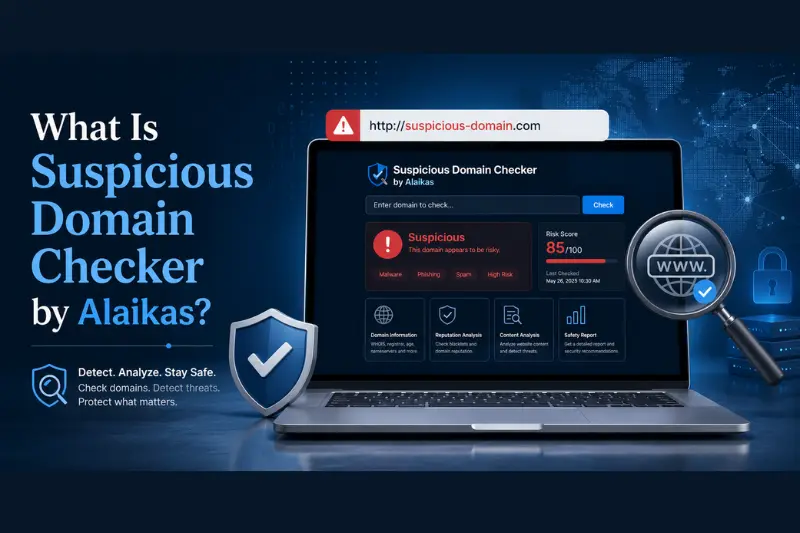
Suspicious Domain Checker by Alaikas is an online website safety tool that scans domains for possible security risks.
The tool helps users identify websites that may contain:
- Malware
- Phishing attacks
- Spam activity
- Blacklist history
- Harmful redirects
- Scam pages
- Unsafe scripts
Its main purpose is simple:
Help users avoid dangerous websites before interacting with them.
This tool is useful for:
- Everyday internet users
- Bloggers
- SEO professionals
- Website owners
- Online shoppers
- Digital marketers
- Cybersecurity researchers
Unlike complicated security platforms, Alaikas focuses on speed and simplicity. Users can paste a domain into the checker and quickly review its safety status.
You May Also Like It:
ACT English Grammar Rules – Simple Study Guide
English Grammar Sentence Structure Rules Guide
Practical Writing Tips for Better Content Writing
Why Suspicious Domains Are Becoming More Common
Online scams are growing every year.
Hackers no longer create websites that look obviously fake. Many scam websites now appear professional and trustworthy.
Some even copy:
- Banking websites
- PayPal pages
- Shopping stores
- Crypto exchanges
- Social media login screens
This tricks users into sharing:
- Passwords
- Credit card details
- Banking information
- Email logins
- Personal data
Many attacks succeed because users are busy and click too quickly.
A suspicious domain checker creates an extra layer of protection before users trust a website.
How Suspicious Domain Checker by Alaikas Works
The tool scans a domain using different safety indicators and reputation checks.
Here are the main systems involved.
Domain Reputation Analysis
The checker reviews whether a domain has a history of suspicious behavior.
Domains connected with scams, malware, or spam often develop a poor reputation over time.
This helps identify risky websites quickly.
Blacklist Monitoring
Many dangerous websites appear on online blacklist databases.
The tool may compare domains against security lists used by:
- Browsers
- Antivirus providers
- Security companies
- Safe browsing systems
If the domain appears on these lists, it may trigger a warning.
Malware Detection Signals
The checker looks for signs linked to harmful website activity such as:
- Malicious scripts
- Unsafe downloads
- Redirect abuse
- Phishing behavior
This helps users avoid websites that could infect devices.
URL Pattern Inspection
Scam websites often use suspicious domain structures.
Examples include:
- paypa1-login.com
- amazon-security-check.net
- faceb00kverify.com
Notice the small spelling changes.
Attackers rely on users missing these details.
The tool helps detect suspicious naming patterns.
Real Example of a Suspicious Domain
Suppose you receive an email claiming your bank account needs verification.
The message contains this link:
secure-chasebank-login-check.com
At first glance, it looks real.
But a suspicious domain checker may reveal:
- Recently registered domain
- Poor reputation
- Blacklist warnings
- Suspicious redirects
Without checking, a user could accidentally submit banking credentials to scammers.
This is why domain verification matters.
Step-by-Step Guide to Using Suspicious Domain Checker by Alaikas
Using the tool is simple.
Step 1: Copy the Domain
Copy the website URL you want to analyze.
Example:
- example.com
- suspicious-site.net
Step 2: Open the Checker
Visit the Suspicious Domain Checker by Alaikas page.
Step 3: Paste the URL
Paste the website address into the search box.
Step 4: Start the Scan
Click the analyze or check button.
The tool scans the domain instantly.
Step 5: Review the Results
The report may show:
- Safe
- Suspicious
- Blacklisted
- Potential risk detected
Read the findings carefully before visiting the site.
Warning Signs of a Dangerous Website
Many scam websites show obvious red flags once you know what to look for.
Misspelled Domain Names
Fake domains often copy trusted brands with small spelling changes.
Examples:
- goggle.com
- amaz0n.net
- paypol-login.com
These tricks are very common.
Extremely New Domains
Many phishing websites are created only days before attacks begin.
Checking domain age can reveal important clues.
If a financial website was registered yesterday, that is suspicious.
Aggressive Popups
Unsafe websites may display:
- Fake virus alerts
- Forced download prompts
- “Your device is infected” messages
Legitimate websites rarely behave this way.
Poor Contact Information
Scam websites often hide:
- Real addresses
- Phone numbers
- Business details
Missing transparency is a warning sign.
Redirect Abuse
Some domains redirect users automatically to unrelated websites.
This may indicate malware or scam activity.
Common Scam Tricks Competitors Did Not Explain
Many articles only discuss malware broadly. But real attackers use specific psychological tricks.
Understanding them helps users stay safer online.
Fake Urgency
Scammers pressure users with messages like:
- “Your account will be closed”
- “Payment failed”
- “Immediate action required”
Urgency reduces careful thinking.
HTTPS Trust Abuse
Many users believe HTTPS automatically means a website is safe.
That is false.
HTTPS only means the connection is encrypted. Scam websites can also use SSL certificates.
Always verify the domain itself.
Clone Website Attacks
Some scam pages perfectly copy real websites.
They may duplicate:
- Logos
- Fonts
- Login forms
- Layouts
Only the domain name changes.
Short-Lived Domains
Many scam websites disappear quickly after attacks.
Attackers often create new domains repeatedly.
This is why domain age matters during analysis.
Why Website Safety Matters for SEO
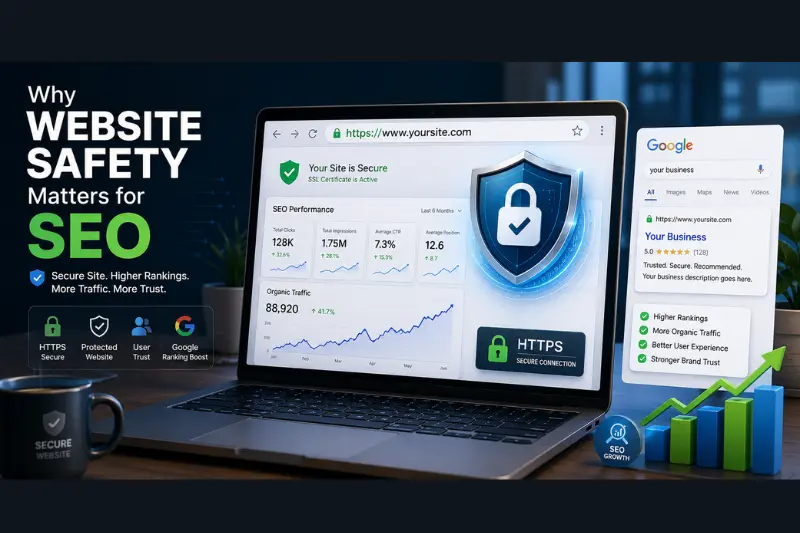
Website security directly affects search rankings and user trust.
Google May Flag Unsafe Websites
If malware is detected, Google may display warnings like:
“This site may be hacked.”
That reduces traffic immediately.
Unsafe Websites Lose Trust
Visitors avoid websites that appear suspicious.
This increases bounce rates and reduces conversions.
Blacklisted Domains Can Lose Rankings
Search engines prioritize safe browsing experiences.
Compromised websites may lose visibility in search results.
Malware Can Damage Brand Reputation
A hacked website can hurt years of business credibility.
Even after cleanup, trust recovery may take time.
Additional Security Checks Beyond Domain Scanning
A suspicious domain checker is useful, but smart users combine multiple safety habits.
Check Domain Age
Older domains are often more trustworthy than brand-new websites.
WHOIS tools can help verify registration dates.
Verify Contact Details
Legitimate businesses usually provide:
- Company addresses
- Phone numbers
- Support emails
- Privacy policies
Missing details deserve caution.
Search Online Reviews
Look for:
- Scam complaints
- User reviews
- Security reports
- Reddit discussions
Community feedback often reveals hidden problems.
Inspect Website Quality
Poor grammar, broken layouts, and copied content may indicate scam operations.
Professional appearance alone is not enough, but quality still matters.
Suspicious Domain Checker vs Antivirus Software
Many users confuse website checkers with antivirus programs.
They are different tools.
| Feature | Suspicious Domain Checker | Antivirus Software |
|---|---|---|
| Focus | Websites and URLs | Devices and files |
| Purpose | Detect unsafe domains | Protect computers |
| Scans | Domain reputation | Local malware |
| Used For | Browsing safety | Device security |
| SEO Related | Yes | No |
Both tools work best together.
Who Should Use Suspicious Domain Checker by Alaikas?
Online Shoppers
Verify ecommerce websites before entering payment information.
Bloggers and Website Owners
Check outgoing links and monitor website reputation.
SEO Professionals
Avoid linking to dangerous or spam-related domains.
Businesses
Protect employees from phishing attacks and unsafe websites.
Students and General Users
Stay safer while browsing social media, forums, and unfamiliar websites.
Best Practices for Safe Browsing
Here are simple habits that greatly reduce online risk.
Never Click Unknown Email Links
Phishing emails remain one of the biggest attack methods online.
Use Strong Passwords
Weak passwords increase damage if accounts become compromised.
Enable Two-Factor Authentication
2FA adds another protection layer to important accounts.
Keep Software Updated
Outdated browsers and plugins create security vulnerabilities.
Avoid Downloading Random Files
Unexpected downloads often contain malware.
Double-Check Before Entering Sensitive Information
Take a moment to confirm:
- Domain spelling
- HTTPS connection
- Website legitimacy
- Business reputation
Small pauses prevent major problems.
You May Also Like It:
Best Blog Writing Tips for Better Content
Blog Content Writing Tips for SEO and Engagement
Page Size Checker by SpellMistake SEO Guide
Common Mistakes Users Make
Trusting Websites Too Quickly
Many scams succeed because users react emotionally instead of verifying carefully.
Ignoring Browser Warnings
Security alerts should never be dismissed casually.
Believing HTTPS Means Safe
Encrypted connections do not guarantee trustworthiness.
Reusing Passwords
One compromised account can expose many others.
Frequently Asked Questions
What is Suspicious Domain Checker by Alaikas used for?
It helps users identify potentially unsafe websites by checking domain reputation, blacklist status, malware signals, and suspicious behavior.
Is the tool free to use?
Many online domain checking tools, including Alaikas, provide free access for basic scansCan a safe result guarantee total security?
No. A safe result only means no known risks were detected during the scan.
Users should still stay cautious online.
Can scam websites use HTTPS?
Yes. Many phishing websites use SSL certificates to appear trustworthy.
Why do dangerous websites keep changing domains?
Scammers often create new domains after older ones become blocked or blacklisted.
Can suspicious domains affect SEO?
Yes. Unsafe domains may lose rankings, traffic, and trust from both users and search engines.
How often should website owners scan domains?
Regular scanning is recommended, especially after plugin updates, traffic drops, or suspicious activity.
Final Thoughts
The internet offers convenience, but it also contains risks that many users never notice until it is too late.
Suspicious Domain Checker by Alaikas helps users make smarter decisions before trusting unfamiliar websites. It adds an important safety layer against phishing attacks, malware infections, fake ecommerce stores, and harmful redirects.
But tools alone are not enough.
The safest users combine technology with awareness. They verify domains carefully, avoid rushed decisions, and pay attention to warning signs others ignore.
A few extra seconds of checking can prevent stolen passwords, financial loss, compromised devices, and unnecessary stress.
That small habit creates safer browsing for everyone.
You May Also Like It:
Backlink Maker by Alaikas: Complete SEO Guide
URL Decoder SpellMistake – Easy Guide for Beginners
